Why Sewak Security Became an Ajax Authorized Partner (And What Actually Changes When Your Alarm Triggers)
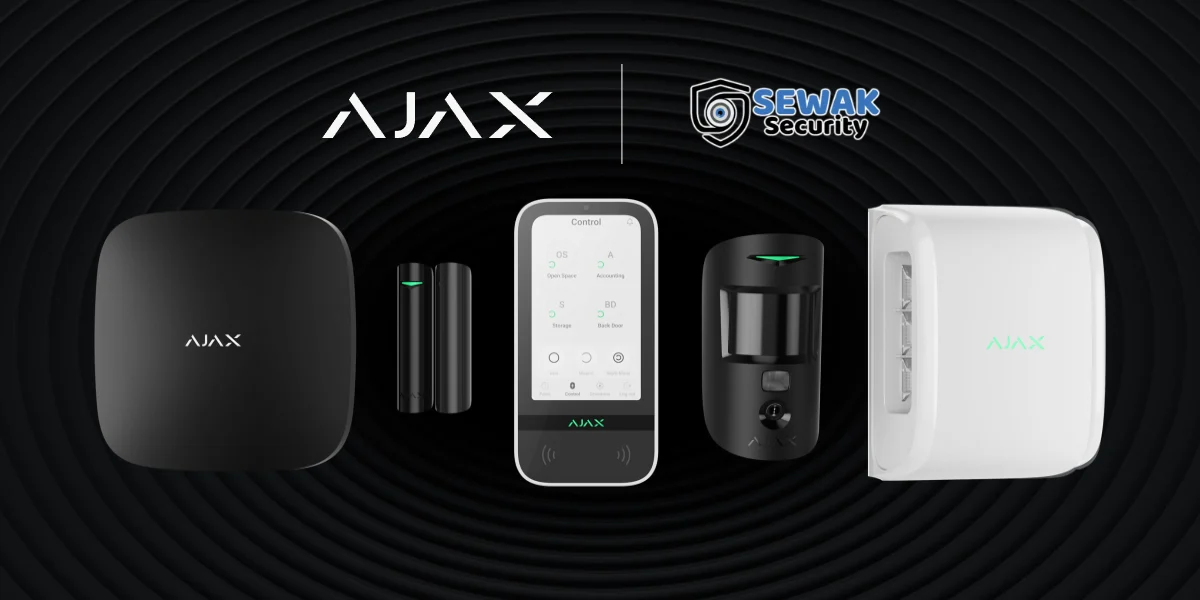
It's 2:14 AM. Someone forces a basement window, spots the hub on the wall, and rips it off the bracket before it can do anything — the same bet behind most break-ins that go for the alarm first. Detaching an Ajax hub from its mount triggers an immediate tamper alert, independent of whatever happens to the hub next. Pulling it down doesn't buy silence; it's the thing that gets reported.
That's the mechanism, not the marketing, and it's the actual reason Sewak Security became an Ajax authorized partner this year. Here's what made the decision, all grounded in how the hub itself is built.
What the Hub Actually Does
- Tamper detection on the hub itself. Removing it from its bracket triggers an alert on its own, separate from anything a door or window sensor reports.
- Jamming detection. If someone tries to jam the radio frequency the sensors use to talk to the hub, the hub notices the interference and reports it to the monitoring station over cellular or Ethernet — channels that aren't on the frequency being jammed in the first place.
- Battery backup that actually covers a real outage. Up to 15 hours of runtime with no mains power or internet, so a cut line or a dead router doesn't take the system down for the evening.
- Remote Panic with live location sharing. The panic button in the Ajax app doesn't just fire an alert — it shares real-time GPS location with the monitoring station.
- Photo verification before dispatch. Paired with our cameras and Ajax's MotionCam devices, a triggered sensor can send a verification photo within 9 seconds — confirming what's actually happening before anyone gets sent out.
Ownership, Not Just a Plan
There's also a flexibility angle worth being straight about: because the hardware and the monitoring plan aren't welded together, Sewak Security has closed jobs as straight equipment purchases — no monitoring plan at all — for customers who wanted the hardware and app ecosystem without committing to ongoing monitoring. That's not something a locked-in telco system is built to offer.
How It Compares to TELUS and Rogers
TELUS sells professional installation and monitoring, but neither TELUS nor Rogers offers remote panic with live location sharing, and Rogers' plan is self-monitoring only — you're the one deciding whether what you're looking at is actually a break-in. Both also lock you into a fixed contract term; Sewak Security's plans stay flexible, with no long-term lock-in.
The real question isn't which alarm brand you pick — it's what your system actually does in the seconds after someone tries to disable it, and whether anyone finds out. That's the question this hub answers, and it's why it's the platform Sewak Security recommends first. Book a free consultation and we'll walk you through what it looks like for your property.