Laneway Houses, Heritage Homes, and Condos: Toronto's Three Very Different Security Camera Problems
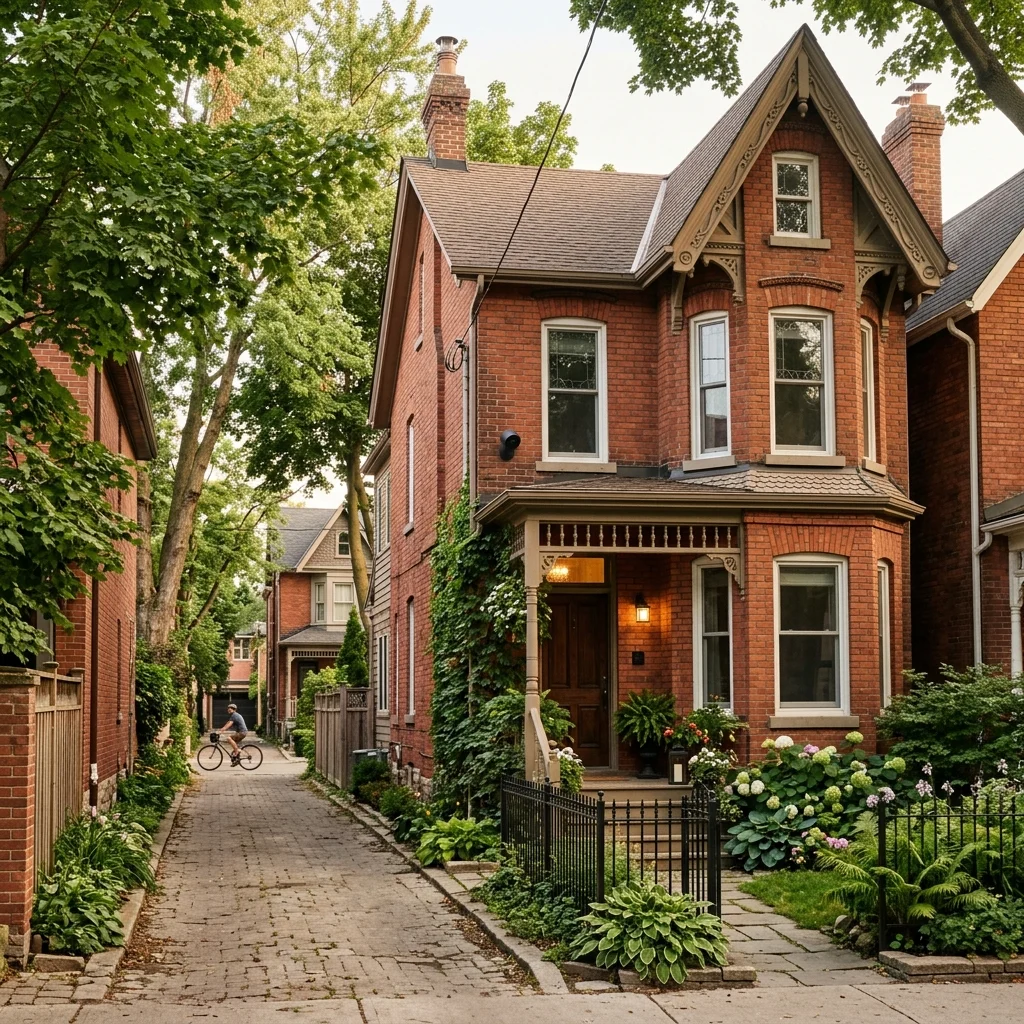
Few cities pack as much housing variety into one map as Toronto. A Victorian semi in Cabbagetown, a laneway house behind a property in The Annex, and a 40th-floor unit in CityPlace all need security cameras for the same basic reason — but the right way to install one is completely different in each case.
Heritage Homes: Cabbagetown to Rosedale
Older Toronto homes often have heritage designations or simply architecture worth not drilling holes through. We use clamp mounts and adhesive bases that avoid penetrating original brick or trim, and run cable through existing conduit or along trim lines wherever possible, so the system disappears into the house instead of sitting on top of it.
The Laneway Problem
Laneway coverage is one of the most-requested jobs we get in The Annex and similar neighbourhoods, and it's a genuinely different problem than a front-yard install: lanes are dark, narrow, and usually the actual access point for a garage or parking pad. We position cameras to capture the full length of the lane with strong night vision and license-plate-capable resolution, since a laneway incident is exactly the kind of thing where a clear plate read matters most.
Condos: The Short Version
Toronto's condo stock raises the same strata questions we cover in detail for Mississauga buildings — wireless, low-impact mounting at your unit's entrance or balcony, with your specific building's bylaws as the real constraint rather than the technology. The short version: it's almost always possible, just rarely a drill-into-the-hallway-wall situation.
The Downtown Commercial Core
Retail and restaurant operators along Queen Street West and in the Financial District and Yorkville face a different brief again — high foot traffic, after-hours liability, and usually a need for video surveillance integrated with access control and alarm monitoring rather than a standalone camera or two.
Whatever your Toronto property looks like, the install method should match the building, not the other way around. Book a free consultation and we'll tell you straight what will and won't work for your specific home or business.